
From the Age of Coverup, to the Age of Disclosure
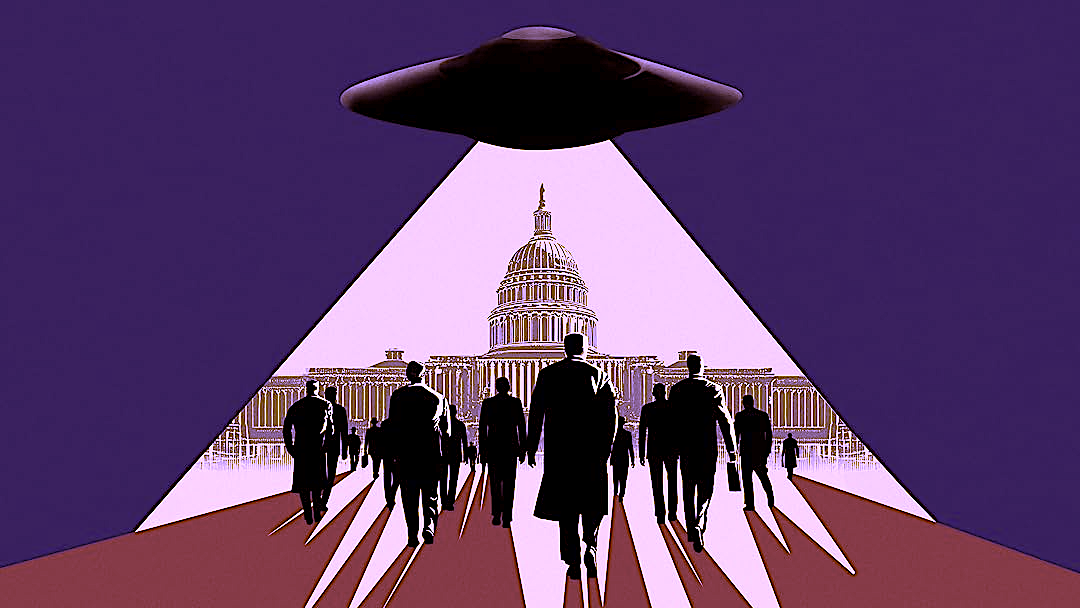
Are we truly entering the Age of Disclosure, or are we merely exiting the Age of Coverup without a clear vision, roadmap, or sense of the end in mind?
We currently stand at a volatile threshold. On one side lies an eighty-year history of secrecy, institutional inertia, and the denial of a non-human reality. On the other lies a future that is rapidly crashing into the present, driven by rising public awareness, whistleblower testimony, and the undeniable presence of the phenomenon itself.
In the latest episode of Frontlines, titled “From the Age of Coverup, to the Age of Disclosure,“ Reed Summers examines this precarious transition. This episode moves beyond the daily news cycle of UFO sightings to ask the fundamental question: If the secrecy is collapsing, what are we building to replace it?
The Collapse of Secrecy
The episode begins by addressing the current state of disclosure, including the release of the new documentary The Age of Disclosure. Reed argues that we may be witnessing the “overmaturation” of the coverup, a system that has become “too big, too heavy, too many people involved… to keep back”.
However, the end of secrecy does not automatically equate to a successful disclosure. Reed recounts a story shared by Hal Putoff regarding a private 2004 conference where officials decided against disclosure because it was deemed that society could not be safely onboarded. Today, we face a similar precipice, but the variables have changed. The phenomenon is no longer just a government secret; it is an active player on the field.
As Reed states in the episode:
“In my view we can no longer be wasting time. We are 80 years into this programmatic engagement… We need to devise a roadmap to move this out of the purview of any one government and its national security complex into a global international forum for discussing the ramifications and the implications for the presence and activity of non-human intelligences.”
Moving Beyond Awe to Action
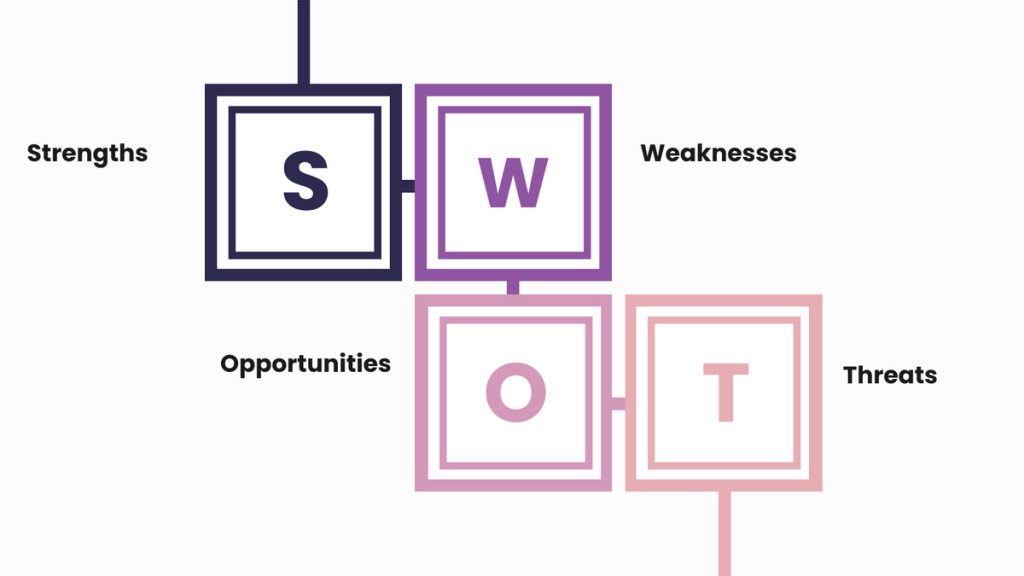
A central feature of this episode is the shift from passive observation to active strategic planning. Reed guides viewers through a community SWOT analysis (Strengths, Weaknesses, Opportunities, and Threats), applying business intelligence tradecraft to the disclosure movement.
This exercise forces us to confront uncomfortable realities. While we have strengths such as independent research coalitions and a rising generation less constrained by dogma, we also face significant weaknesses, including institutional fragmentation and a lack of any global ethical framework for interspecies engagement.
The episode challenges the viewer to look at the external threats to disclosure, which may include not just human resistance, but “non-human actions or decisions in response to disclosure”. If we do not have an end in mind, we risk reacting to events rather than shaping them.
Investigating Non-Human Intelligence
Later in the episode, Reed is joined by Chuck Shriner from the Human Institute to discuss a groundbreaking new initiative: the Investigating Non-Human Intelligence (INHI) series. This collaborative project aims to aggregate the best minds from scientists to experiencers to build a foundational repository of knowledge.
Shriner highlights the necessity of this preparation, noting that the reality of Non-Human Intelligence (NHI) requires us to stretch our scientific and intellectual capacities.
“Eventually the dam will break… Investigating Non-Human Intelligence sort of has two goals. Number one, to be ready with a set of resources and assessment… and to bring in really a range of the best minds… to begin to think about how to respond.” Chuck Shriner
Shriner further emphasizes the challenge facing current scientific paradigms:
“We now have to look at the relationship, what happens between us as humans and NHI as we interact with them, which means we have to begin to think about the subjective and the experience of consciousness as part of that.”
Why You Should Watch
This episode of Frontlines is a call to action. It explores the concept of “reality collapse” drawing on Jared Diamond’s work to suggest that our norms are breaking down not just due to human disruption, but perhaps due to the pressure of an intervening non-human reality.
We are no longer islanders in a lonely universe; we are discovering we are part of a “continental reality” of interacting intelligent life. To navigate this, we must ground ourselves in objective reality and prepare for the complexities of contact.
Watch the full episode to participate in the SWOT analysis, learn more about the INHI series, and understand the strategic roadmap we must build together.
Watch: From the Age of Coverup, to the Age o f Disclosure
Attend: 2026 UAP Detection and Tracking Summit, February 7-8, 2026